
Carbon Positive Update
Added 11 months ago
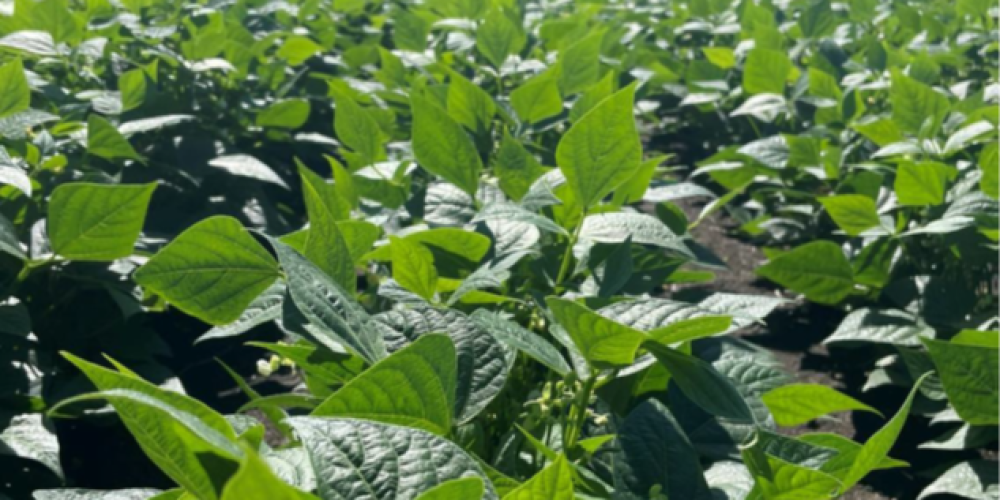
The Carbon Positive Project continues to show that regenerative growing can lift productivity while reducing environmental impact in Hawke’s Bay’s intensive vegetable systems.
This season’s green bean crop delivered its strongest results yet. The Regenerative treatment produced the highest yields—up to 26 t/ha—while using less than half the nitrogen of the conventional system. The regenerative plots also had the lowest agrichemical impact, the best canopy growth, and the highest soil-health scores across the trial site.
Winter cover crops were successfully established, and soil assessments confirmed that regenerative practices are improving soil structure, porosity, and biological activity year on year. Carbon emissions analysis further highlighted the benefits of reduced synthetic inputs and more efficient operations.

A mid-project review confirmed that while challenges remain—particularly around terminating multi-species cover crops without excessive cultivation—the project is generating practical, scalable insights for vegetable growers. Outreach through field walks, industry events, and the LandWISE Conference is already influencing commercial practice across the region.
Overall, Milestone 10 demonstrates that regenerative approaches can enhance yields, build healthier soils, and reduce environmental footprint—bringing Hawke’s Bay’s horticulture sector another step closer to being carbon positive.

Be the first to leave a comment.
Leave a comment
All comments are reviewed before they are published on the website. Your email address will not be published.
Carbon Positive Trial Update – February 2025

Community Engagement and Knowledge Sharing Strengthen the Carbon Positive Project
Are We Changing Soil Carbon Yet? Three Years In, the Jury’s Still Out
Farewell to Trustee Phil Schofield – A Foundational Leader of the HBFFCT
Kraft Heinz - Why Regenerative Agriculture is a Business Essential
Join the conversation